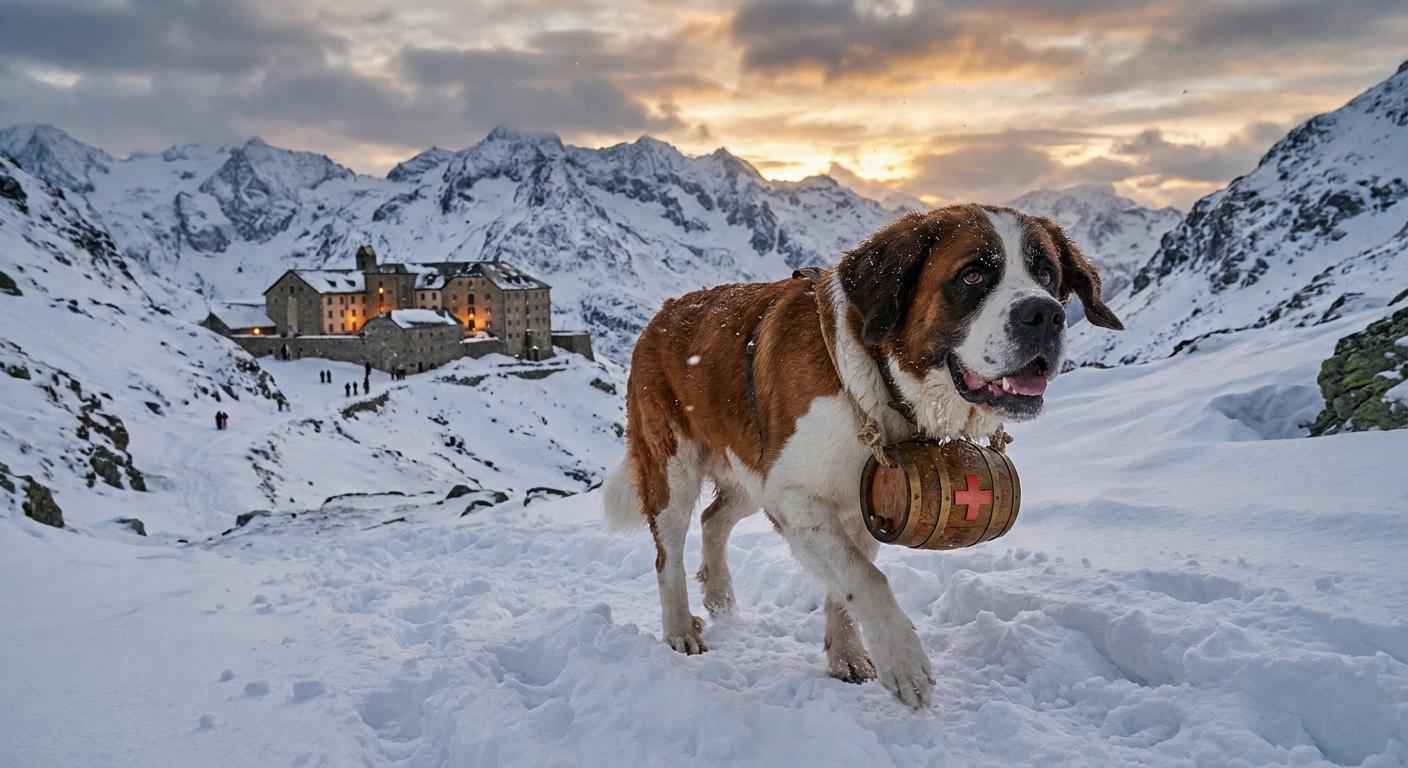
St. Bernard of Menthon 😇
St. Bernard (c. 1020 – 1081) was an 11th-century Catholic priest and archdeacon of Aosta, remembered as the “Apostle of the Alps”. He is the patron saint of mountaineers, mountain travelers, hikers, skiers, and Alpine inhabitants. 🌨️
Born into a wealthy noble family in Savoy, he turned down an arranged marriage and aristocratic life to join the Church. While serving in northern Italy, he saw that pilgrims and travelers crossing the treacherous Pennine Alps regularly died from blizzards, avalanches, and bandits. Around 1050, he built the Great St. Bernard Hospice (and later the Little St. Bernard Hospice) at over 8,000 feet to provide free food, shelter, and rescue aid. ⛑️
His spiritual legacy consists of Christian hospitality, missionary zeal, and extraordinary concern for people in danger or distress. 🆘
Roughly 6 centuries after Bernard’s death, the Augustinian canons (monks) running his hospice began breeding local Alpine mastiff-type dogs 🐶 — initially as watchdogs in the 1660s, and soon after as specialized snow-rescue dogs. The monks selectively bred them for cold hardiness, strength, and an extraordinary ability to scent buried travelers under deep snowdrifts, eventually saving over 2,000 lives (most famously a dog named Barry, credited with over 40 rescues 🎖️).
Because the breed was developed at his mountain sanctuary, kennel clubs in the late 1800s officially named the dogs Saint Bernards in honor of the hospice and its founder.
Despite classic cartoons and paintings, the rescue dogs never carried small wooden casks of brandy around their necks — a detail invented in 1820 by the English painter Sir Edwin Landseer that became a myth. In reality, alcohol lowers core body temperature and would endanger hypothermic travelers 🥶.
6 pics:
1 - Lauds
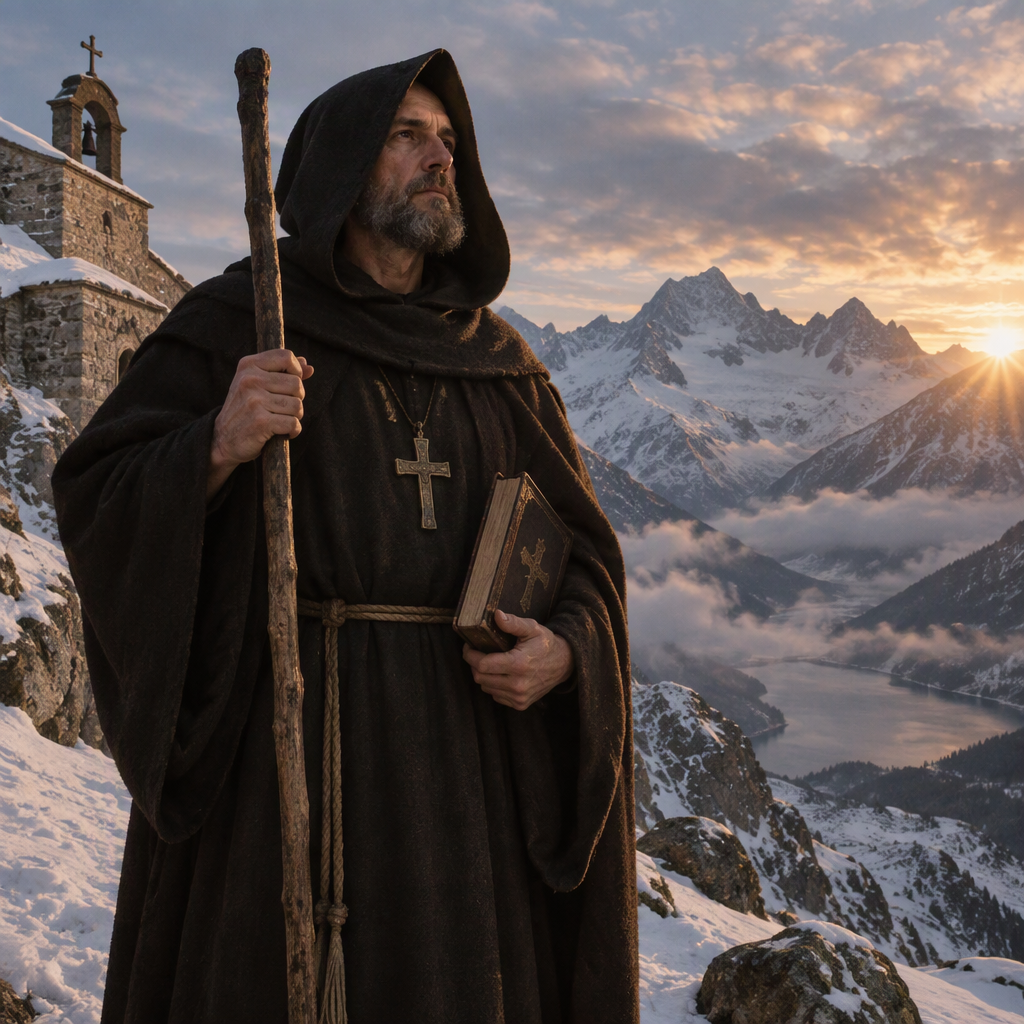
2 - holy courage
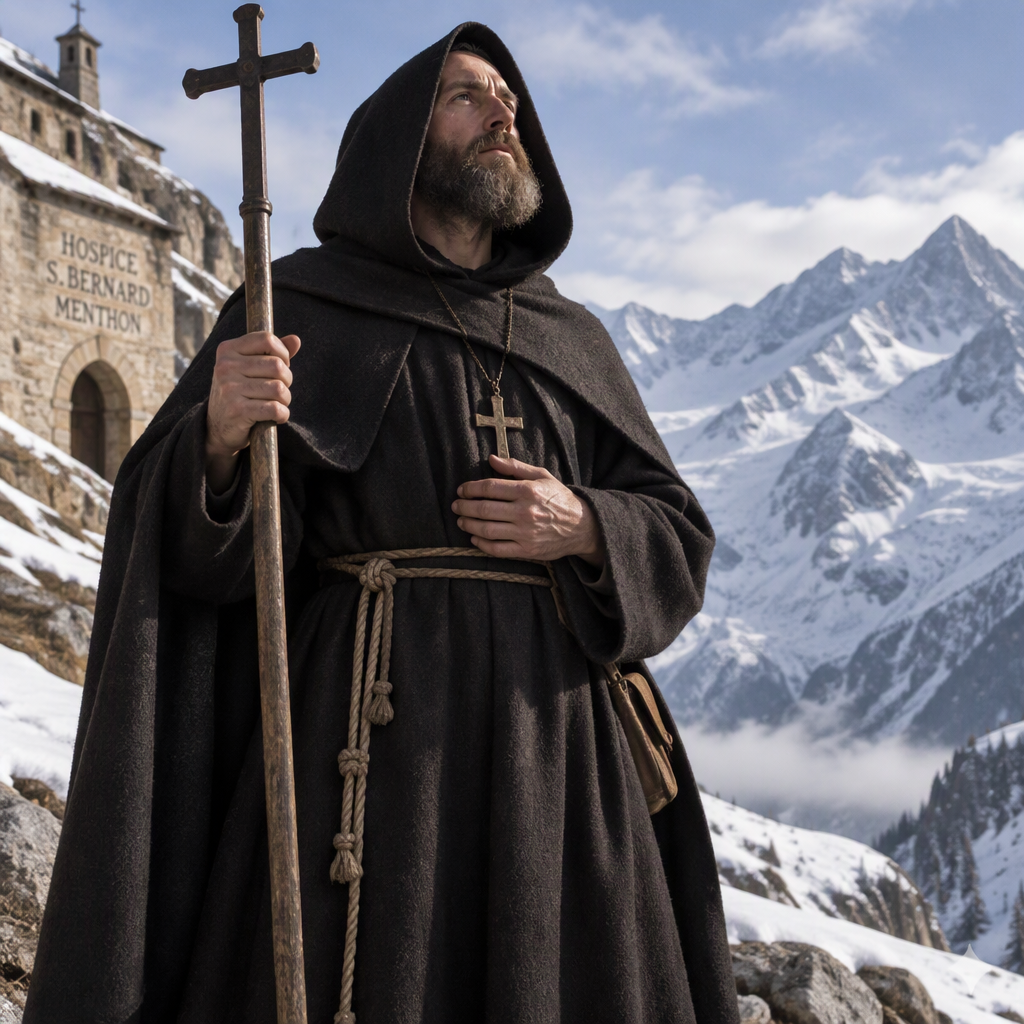
3 - heading out on a rescue mission
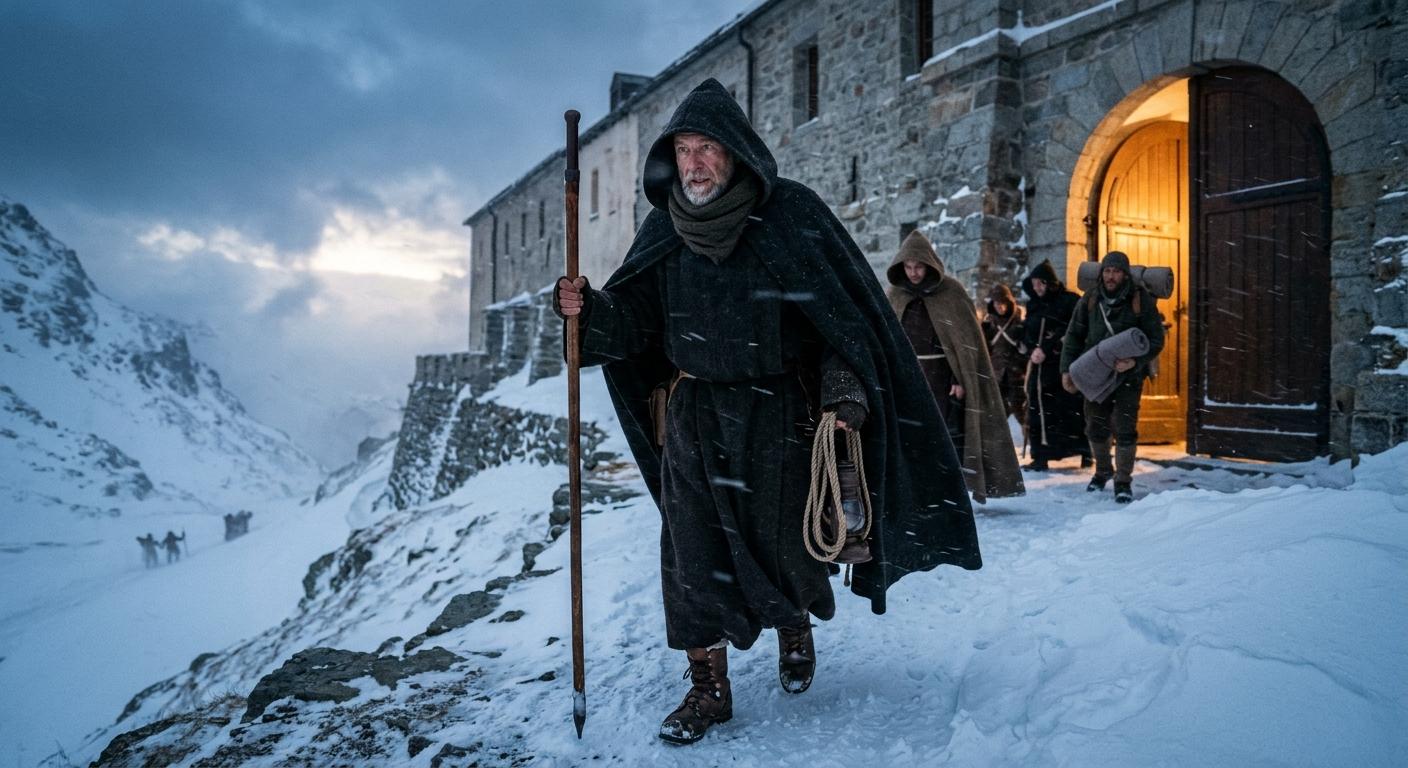
4 - rescue in progress
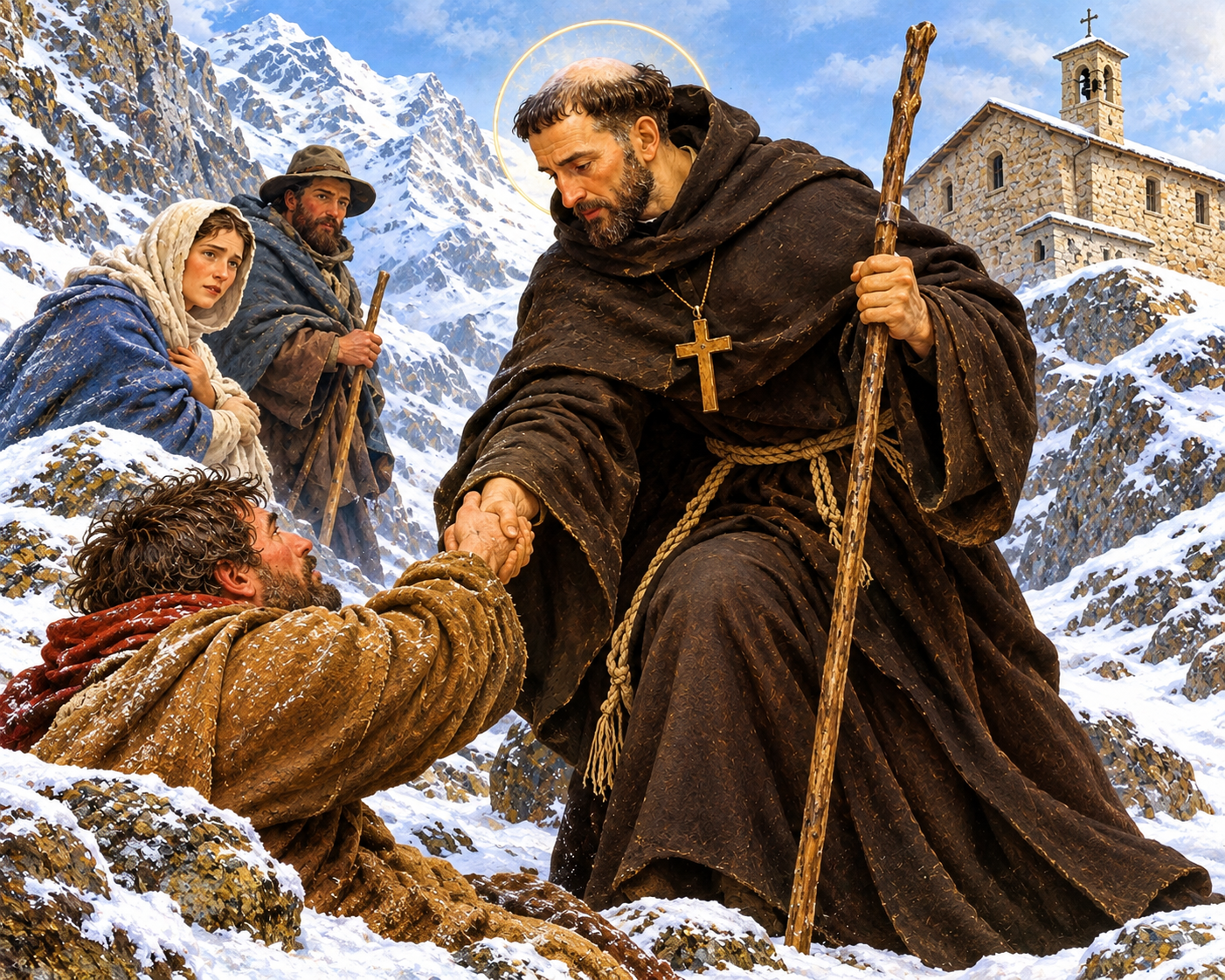
5
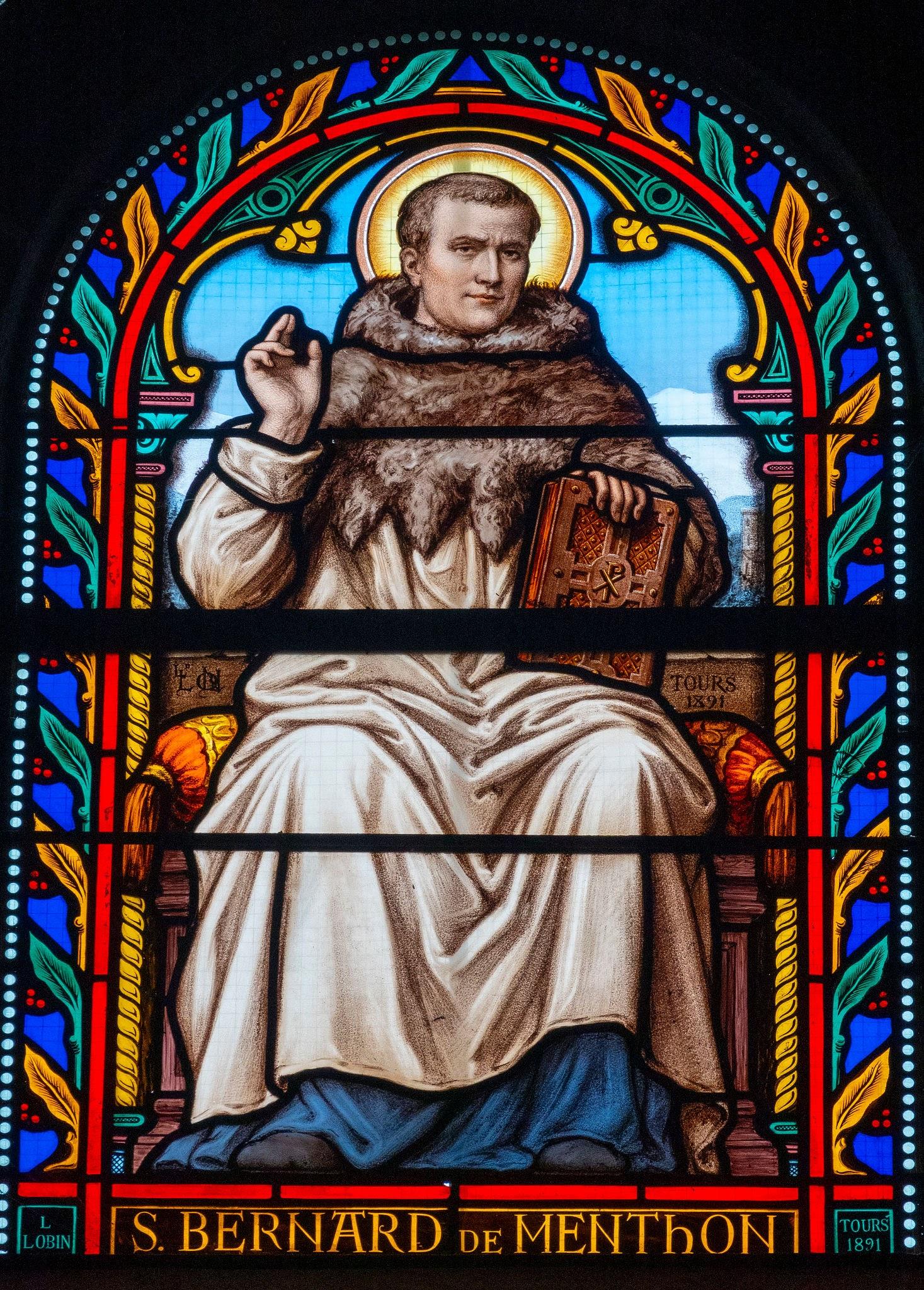
6 - brave Barry 🐕 bringing brandy